This article may contain affiliate links. If you buy through them, Naturally Beautiful Days may earn a small commission at no extra cost to you. Learn more.
The humble marigold, specifically Calendula officinalis, has long been heralded in herbal traditions for its soothing properties. Known for its vibrant yellow and orange petals, calendula is not only a visual delight in the garden, but it also offers a gentle touch for skin care. As a naturalist and hobbyist herbalist, my exploration of calendula has led me to appreciate its merits and limitations. This article will dive into the potential benefits of incorporating calendula into your beauty routine, based on my own field notes and personal trials.
Understanding Calendula’s Composition
Calendula flowers contain a variety of bioactive compounds, including flavonoids, saponins, and carotenoids. These components contribute to its anti-inflammatory and antioxidant properties, making it a favored ingredient in many topical formulations. The primary active fractions in calendula that have garnered the most attention are the flavonoids, which have been shown to exert soothing effects on irritated skin. However, it is essential to understand that while calendula has a long topical tradition, the evidence for its efficacy remains modest. It is not a panacea for all skin issues, but it can offer gentle support in certain contexts.
Historical Context and Provenance
Calendula’s history is steeped in tradition. It has been used for centuries in various cultures for its therapeutic benefits. Culpeper’s Complete Herbal from the 17th century mentions calendula as a remedy for wounds and inflammation, underscoring its longstanding reputation. The name “calendula” is derived from the Latin word “calendae,” referring to the first day of the month, as it was believed to bloom on the first day of each month. This connection with consistency and renewal feels fitting, as calendula can symbolize the gentle rhythms of nature that we can incorporate into our personal routines.
My Personal Experience with Calendula
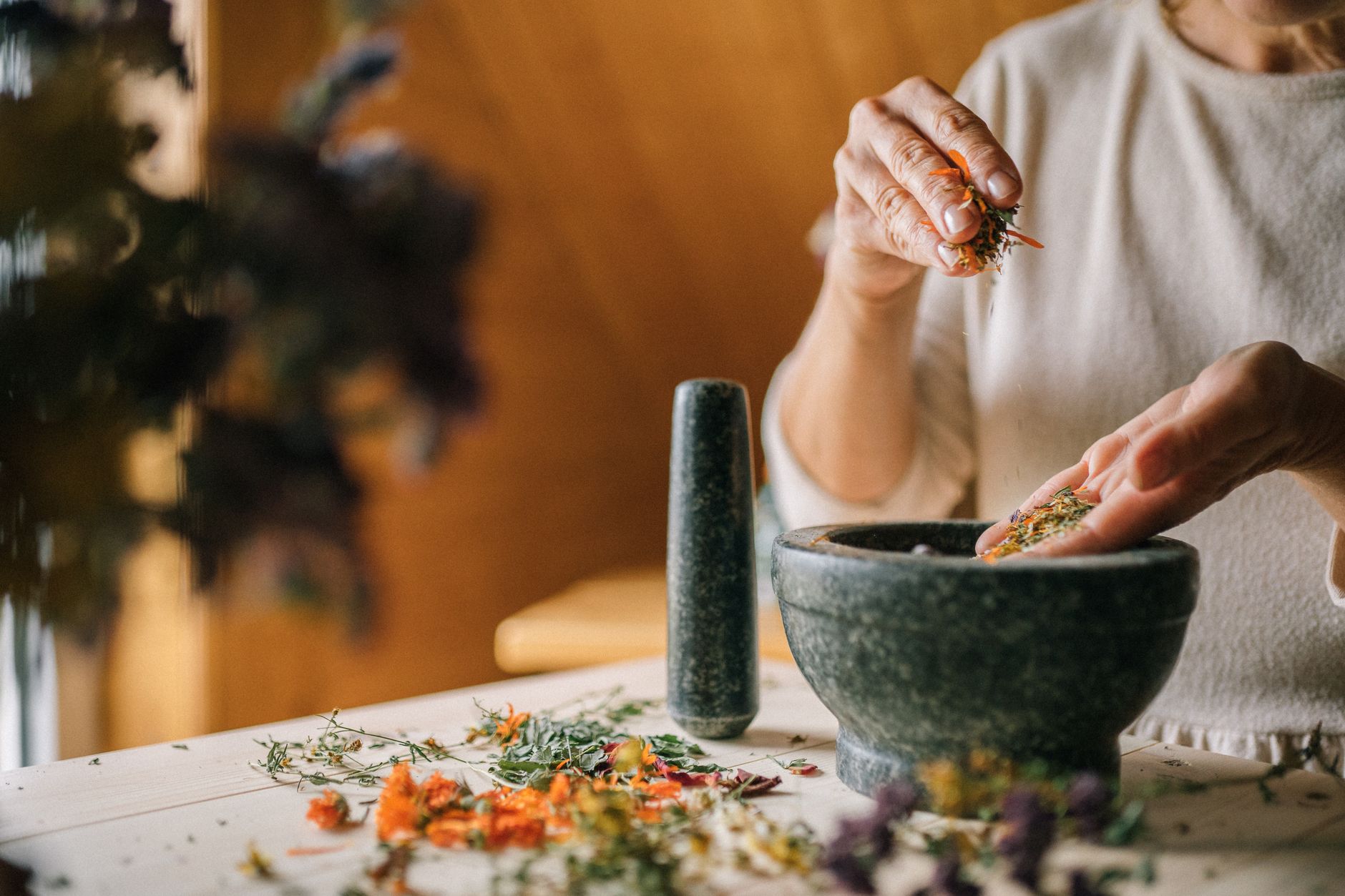
My journey with calendula began in my own garden, where I planted several seeds a few years ago. Watching these cheerful flowers flourish was a joy, and I was especially intrigued by their potential for skin care. After harvesting the flowers, I decided to create a simple infused oil using olive oil as a base. The process was straightforward: I filled a glass jar with dried calendula petals and covered them with the oil, letting the mixture steep in a warm, sunny location for a couple of weeks.
Upon straining the mixture, I was left with a vibrant golden oil that carried the delicate scent of the flowers. I tested this calendula-infused oil on a small patch of skin to check for any adverse reactions, which is always prudent when introducing a new product. Once I confirmed there was no irritation, I began using it as a moisturizer on areas of my body prone to dryness and irritation, such as my elbows and knees. Over the course of a month, I found that my skin felt softer and appeared less red and inflamed, a testament to calendula’s potential as a gentle soother.
Incorporating Calendula into Your Routine
There are several ways to enjoy the benefits of calendula in your skincare routine. Here are some practical forms and methods to consider:
- Infused Oils: As I mentioned, creating an infused oil is a straightforward and rewarding way to harness calendula’s benefits. You can use this oil on minor skin irritations or as a carrier for essential oils when blending your own formulations.
- Lotions and Creams: Many commercially available creams and lotions contain calendula extract. Look for products with a high percentage of calendula and minimal synthetic additives to ensure you are getting its full benefits.
- Herbal Baths: Adding dried calendula petals to a warm bath can create a soothing experience. Simply place the petals in a muslin bag or an old sock to contain them and steep them while you soak.
- Teas and Tinctures: While not necessarily for topical application, calendula tea can be enjoyed for its mild flavor and potential internal benefits. Tinctures made from calendula may also provide support for skin health when taken internally, though further research is needed.
Essential Considerations for Sensitive Skin
While calendula is generally considered gentle, it is still important to approach its use with caution. Those with allergies to plants in the Asteraceae family, which includes ragweed and daisies, may experience sensitivity. Patch testing is an essential step before applying any calendula product liberally. I recommend doing a patch test on a small area of skin, such as the inside of your wrist, to monitor for any adverse reactions.
Additionally, it is crucial to be aware of the quality of calendula you are using. Sourcing flowers from a reputable provider or growing your own can help ensure that you are working with contaminant-free plants. The extraction method also matters; for instance, cold-pressed oils tend to retain more nutrients than those extracted with heat.
The Limits of Calendula
Despite its many virtues, calendula does have its limits. It is not a cure-all for every skin ailment. For example, it may provide relief for minor cuts and abrasions, but it is not suitable for treating deep wounds or serious skin conditions such as eczema or psoriasis without medical guidance. These conditions often require specialized treatment, and while calendula can be a supportive ally, it should not replace professional care.
The soothing effects of calendula can also vary from person to person. While my experience was positive, others may find that the oil or extracts do not resonate with their skin. Personal response to botanical ingredients can be quite individual, and it is wise to keep that variability in mind.
Conclusion
Incorporating calendula into your routine can offer gentle support and soothing properties for your skin, drawing from its rich history and beneficial compounds. However, as with any natural ingredient, it is essential to approach its use with mindfulness. My experiences in the garden and kitchen have taught me to appreciate the delicate balance of nature and to respect the limits of what a single plant can offer. Through careful observation and experimentation, we can weave the gentle power of calendula into our self-care rituals, celebrating both its beauty and its beneficence.