This article may contain affiliate links. If you buy through them, Naturally Beautiful Days may earn a small commission at no extra cost to you. Learn more.
Lavandula angustifolia, commonly known as English lavender, has long been celebrated for its aromatic and therapeutic properties. This plant, with its striking purple spikes and crisp green foliage, has a rich history that intertwines with various cultures and practices, particularly in the realm of aromatherapy. My own journey with lavender began in my small garden, where I first planted a couple of lavender shrubs. Over the years, I have come to respect this unassuming plant for its multifaceted abilities and historical significance.
A Brief History of Lavender
Lavender has roots tracing back to ancient civilizations. In ancient Egypt, lavender was used in the embalming process, valued not only for its scent but also for its alleged preservative qualities. The Romans utilized it in their baths, a practice that highlights lavender’s historical association with cleanliness and relaxation. It is recorded in texts such as Gerard’s Herball, published in 1597, where it was praised for its “comforting” effects when infused in baths.
The name “lavender” derives from the Latin word “lavare,” meaning “to wash.” This etymology reflects the plant’s long-standing connection to cleanliness and purification. Through the ages, as its use spread across Europe, it became a staple in herbal medicine, noted for its calming properties. In Culpeper’s The Complete Herbal, the plant was described as beneficial for “headaches and pains.”
Lavender Oil: Extraction and Composition
Lavender essential oil is typically extracted through steam distillation of the flower tops. This method captures the delicate volatile compounds that are responsible for its characteristic scent and properties. The chemical composition of lavender oil is complex; it primarily contains linalool and linalyl acetate, which contribute to its fragrance and potential therapeutic benefits.
During my own experiments with lavender oil, I once used it in a homemade facial mist. I combined a few drops of lavender oil with distilled water and kept it in the refrigerator. The cooling effect combined with the soothing scent was delightful, especially on warm summer days. However, I also noted that lavender oil can be irritating to some individuals, especially when used in high concentrations or applied directly to the skin without a carrier oil. As with any essential oil, patch testing is essential.
Aromatherapy Applications
Aromatherapy encompasses a variety of practices that utilize essential oils to promote physical and emotional well-being. Lavender oil, with its broad array of applications, is perhaps one of the most cherished oils for aromatherapy. Here are some common uses:
- Calming and Relaxation: Many individuals turn to lavender oil for its reputed ability to ease anxiety and promote relaxation. In my own practice, I often diffuse lavender oil in the evening to create a serene atmosphere. Its scent seems to signal my body that it is time to unwind.
- Sleep Aid: Lavender is frequently recommended for improving sleep quality. Placing a sachet of dried lavender flowers beneath my pillow has been a delightful addition to my bedtime ritual. While I do not always wake up feeling completely refreshed, the soothing aroma certainly makes falling asleep easier.
- Topical Uses: While lavender essential oil mixed with a carrier oil can be applied to minor cuts and scrapes for its antiseptic properties, caution is warranted. I have found that diluted lavender oil can help soothe the occasional insect bite, but I always ensure that the concentration is appropriate to avoid any negative reaction.
The Evidence Behind Lavender Oil
Many studies have explored lavender’s effects on mood and sleep. Research suggests that inhalation of lavender aroma may positively affect the autonomic nervous system, leading to decreased heart rate and blood pressure. A study published in the Journal of Alternative and Complementary Medicine found that lavender oil could improve sleep quality in patients with insomnia when used in aromatherapy. However, while there is some evidence to support lavender’s calming effects, the results can vary greatly among individuals. Not everyone may experience the same level of relief or benefit.
Considerations for Safety
Despite its gentler reputation compared to some essential oils, lavender oil is not without safety considerations. It should be used with care, particularly for those with sensitive skin or allergies. I once had a friend who suffered from both conditions and experienced irritation even from a diluted lavender oil blend. Essential oils carry their own set of risks; thus, a thorough understanding of individual reactions is crucial.
Moreover, lavender oil should be avoided during pregnancy, particularly in the first trimester, due to its potential hormonal effects. Additionally, it may interact with certain medications, so consulting with a healthcare provider is advisable if you are considering incorporating it into your routine.
Integrating Lavender into Your Life
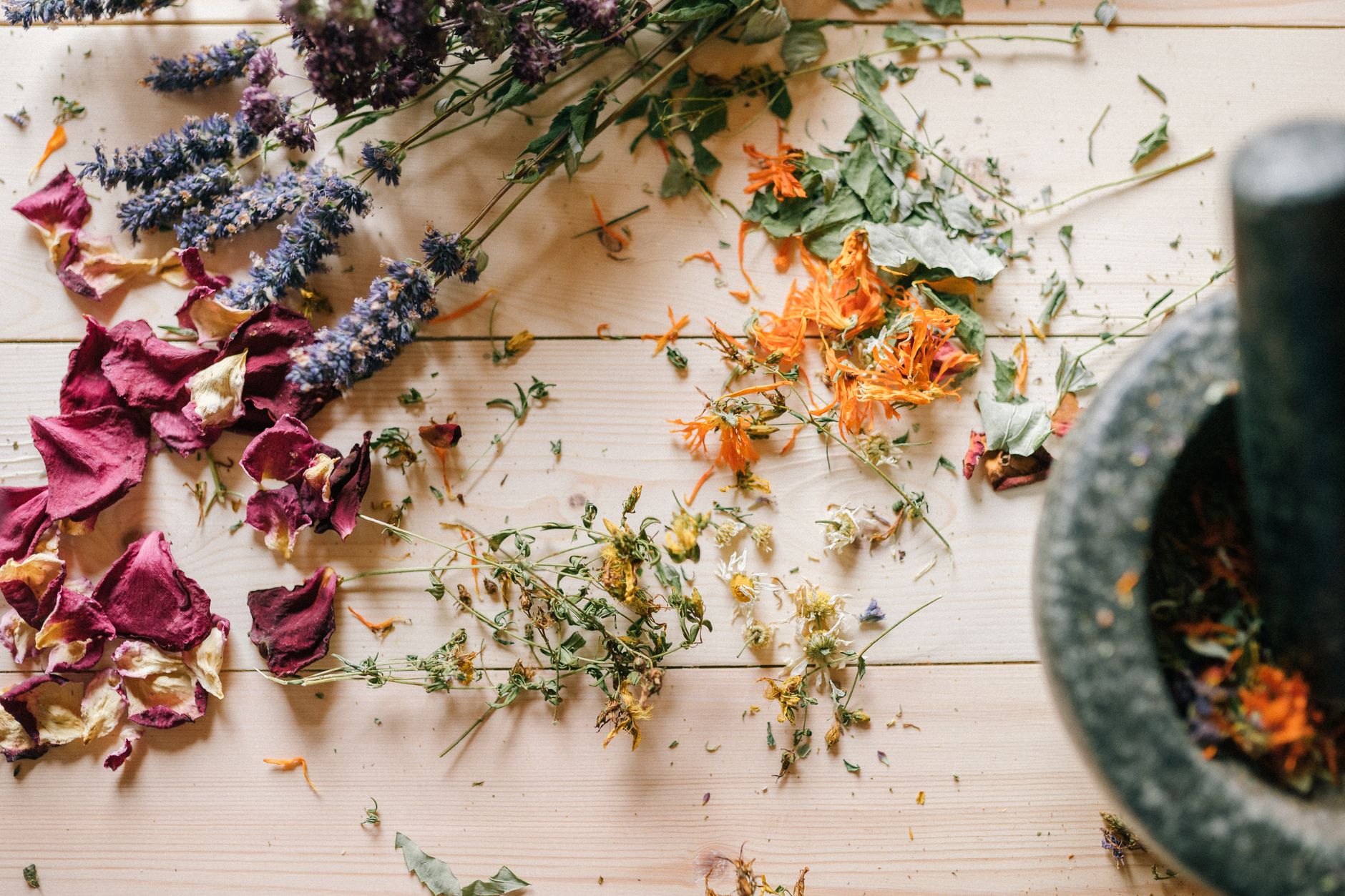
Incorporating lavender into daily life does not have to be limited to essential oils. Dried lavender can be used in sachets, culinary dishes, or as a fragrant addition to potpourri. The culinary uses of lavender are particularly intriguing; I often sprinkle culinary-grade lavender buds into baked goods or herbal teas. The subtle floral notes can elevate a simple dish while inviting relaxation.
Concluding Thoughts
Aromatherapy with lavender oil offers a rich tapestry of historical uses and therapeutic applications. While I have found great pleasure in working with this plant-both in the garden and the kitchen-it is essential to approach its use with care and respect. Lavender may hold many benefits for relaxation and well-being, yet it is not a panacea. Instead, it serves as a gentle companion in the ongoing exploration of natural remedies. As I continue to cultivate my understanding of lavender and its applications, I remain mindful of the importance of both tradition and personal experience.