This article may contain affiliate links. If you buy through them, Naturally Beautiful Days may earn a small commission at no extra cost to you. Learn more.
In my exploration of the botanical world and its applications in skincare, few plants have intrigued me as much as chamomile. This humble flower, known as Matricaria chamomilla or Chamaemelum nobile, has a rich history of use in herbal medicine and is often lauded for its calming properties. While I have long appreciated its aromatic qualities in tea, I began to delve into its topical applications and potential benefits for skin irritation. My interest in chamomile was sparked by observing the gentle way it seemed to soothe my garden’s overgrown catnip (Nepeta cataria), which can provoke skin irritation if handled too much. In this article, I will share my findings on chamomile extract, its soothing capabilities, and the importance of temperance in expectations from this botanical ally.
Historical Context and Traditional Use
The historical use of chamomile dates back to ancient Egypt, where it was revered for its healing properties. Gerarde’s Herball, published in the late 16th century, notes chamomile as a remedy for fevers and inflammations. Its calming aroma and purported therapeutic effects have led it to hold a significant place in folk medicine traditions worldwide. In the realm of skincare, chamomile has been traditionally used to alleviate redness, inflammation, and irritation.
When discussing its soothing properties, it is essential to refer to its active components. Chamomile extract contains flavonoids such as apigenin and luteolin, as well as essential oils that confer anti-inflammatory and antioxidant effects. While the evidence supporting these claims is modest, particularly when applied topically, it forms a foundation upon which many individuals build their routines.
Chemistry of Chamomile
To understand how chamomile may ease irritation, we must look closer at its composition. The essential oil derived from chamomile contains a mix of compounds, including bisabolol and chamazulene, which have been studied for their anti-inflammatory properties. Research indicates that these components can aid in reducing skin inflammation when applied to the skin in appropriate concentrations.
Moreover, chamomile is known for its gentle nature, making it suitable for sensitive skin types. However, it is crucial to remember that “natural” does not automatically equate to “harmless.” I once conducted a small patch test with a chamomile-infused oil, and while the soothing effects were evident, I also experienced slight irritation when I used it in higher concentrations. This reinforced the lesson that understanding individual skin reactions is vital when incorporating new botanicals into a skincare regimen.
Chamomile Extract in My Routine
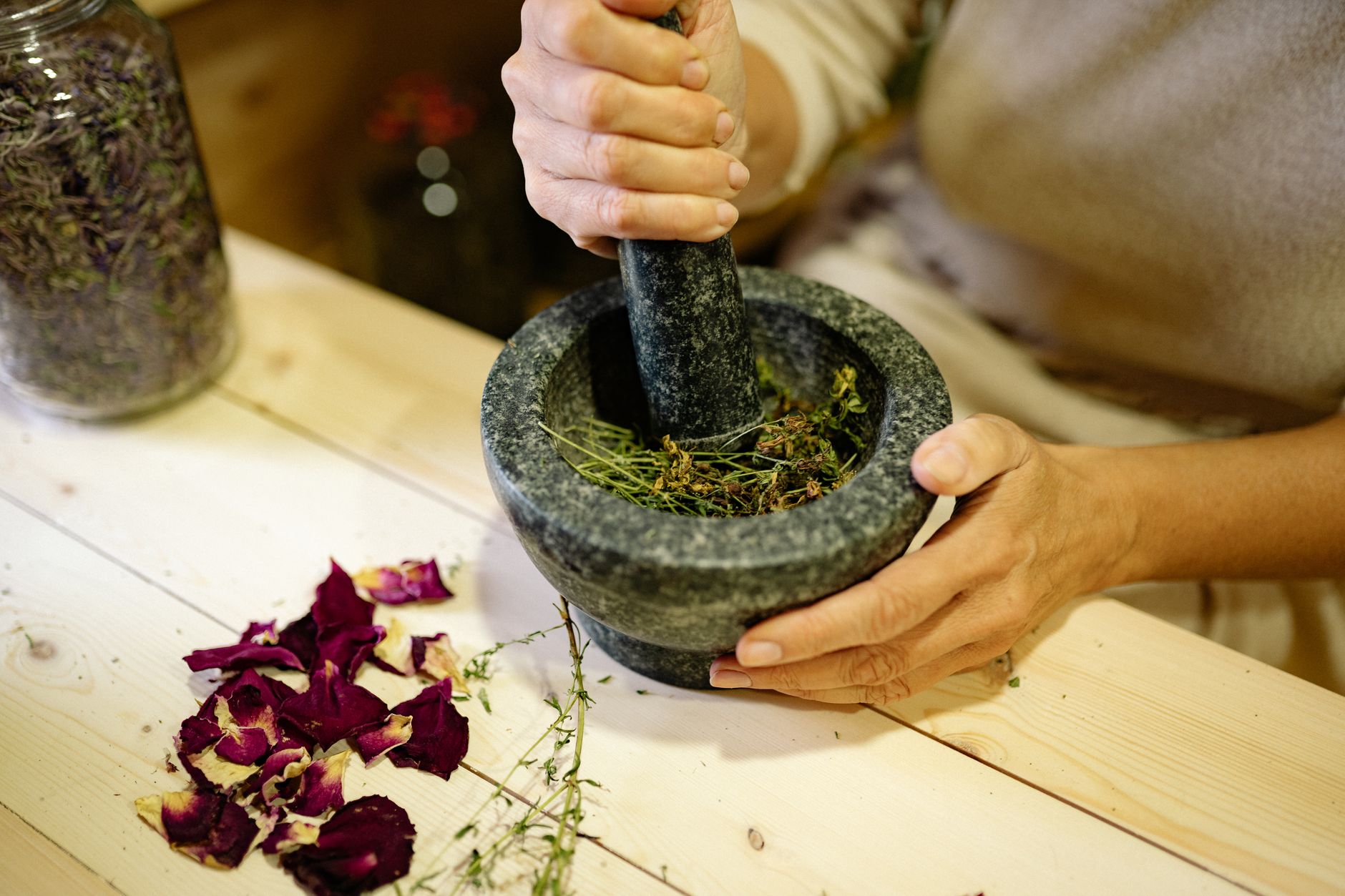
My foray into using chamomile extract began during a particularly hectic spring season, where my skin bore the brunt of stress and environmental factors. After reading about its soothing properties, I decided to experiment with a chamomile-infused oil I made in my kitchen. The process was simple; I steeped dried chamomile flowers in Jojoba oil (Simmondsia chinensis) for several weeks, allowing the oil to absorb the calming essence of the flowers.
After a month of infusing, I strained the oil and began to apply it to my skin after cleansing. The results were encouraging. I found that the oil absorbed quickly and seemed to soften the appearance of redness around my cheeks, often exacerbated by the changing weather. However, I maintained a cautious approach and monitored my skin daily to evaluate the effects. After two weeks of consistent use, I noted a reduction in instances of irritation, affirming the gentle, soothing capabilities that chamomile is known for.
Forms of Chamomile Extract
Chamomile is available in various forms, including dried flowers, essential oils, hydrosols, and extracts. Each form carries its unique benefits and uses. Dried chamomile flowers can be brewed into a tea, applied as a compress, or infused into oils and creams. On the other hand, essential oils should be used sparingly, given their concentrated nature. When using essential oil derived from chamomile, I recommend practicing caution and diluting it before applying it directly to the skin as a safety measure.
Hydrosols, or floral waters, are another gentle option for incorporating chamomile into your routine. They can be spritzed lightly onto the skin for a refreshing and soothing effect. I have enjoyed using a chamomile hydrosol after cleansing my face, as it offers a delicate, immediate cooling sensation without overwhelming my skin. These forms may be preferable for those with sensitive skin or those who are new to using chamomile extracts.
Potential Limitations
Furthermore, while chamomile can provide relief for minor irritations, it is not a cure-all. More serious skin conditions may require a deeper understanding and treatment beyond topical applications. I have observed this in my own experience, as the chamomile oil aided in calming my seasonal irritation but did not address the underlying stress factors that contributed to skin sensitivity. Thus, I emphasize the importance of a holistic approach to skincare that encompasses lifestyle factors, mindfulness, and, when necessary, consultation with a healthcare professional.
Combining Chamomile with Other Ingredients
In my experiments with chamomile, I found that combining it with other soothing botanicals can enhance its effects. For instance, I have enjoyed blending chamomile with aloe vera (Aloe barbadensis) gel, which brings an additional layer of hydration and cooling. This mixture became a staple for calming my skin, especially after sun exposure or after long days spent outdoors in my garden. The combined properties of both plants seemed to offer a more well-rounded approach to soothing irritation.
Another interesting pairing is chamomile with calendula (Calendula officinalis), known for its skin-soothing abilities. When infused together in an oil or balm, these two flowers create a synergistic effect that I found to be particularly soothing. I experienced significant relief from minor redness and irritation, which further substantiated my appreciation for the gentle power of plants.
Conclusion
Chamomile extract embodies a rich history and offers gentle, calming benefits for irritated skin. While my experiences and research affirm its utility, it is essential to approach this and any botanical ingredient with care and respect for individual responses. Chamomile can soothe, but it cannot promise to solve all skin concerns. As with every ingredient I explore, my skin becomes a kind of laboratory-a place to learn and observe the nuances of nature’s gifts. Ultimately, chamomile stands firmly in my collection of botanical allies, and its place in my skincare routine serves as a testament to the subtle art of harnessing nature’s healing power.