This article may contain affiliate links. If you buy through them, Naturally Beautiful Days may earn a small commission at no extra cost to you. Learn more.
In the pursuit of understanding how different natural ingredients affect my skin, I have developed a method to isolate variables. With the myriad of oils, extracts, and powders available, differentiating individual effects can be challenging. My approach is rooted in careful observation and a systematic testing regimen that allows me to discern the benefits and limitations of each component.
Choosing a Single Variable
The first step in my method is to select a single ingredient to work with. I often consider what I have on hand, whether from my garden or kitchen shelf. For instance, I recently experimented with Calendula officinalis, a flower I have grown in my garden for its reputed soothing properties. This herb has a long topical tradition, and the evidence for its calming effects on irritated skin is modest but tangible.
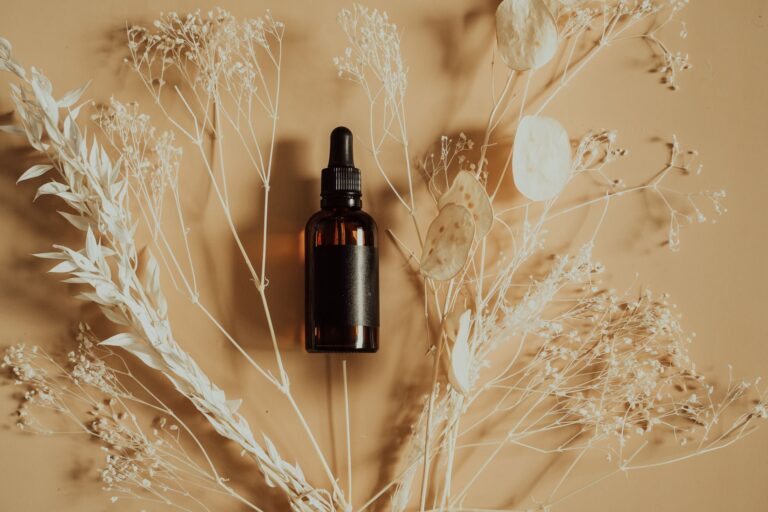
Once I select my focal ingredient, I ensure that I am using it in its most potent form. For calendula, this means using an oil infusion I made by steeping the dried flowers in a carrier oil for several weeks. This approach allows me to harness the beneficial properties of the plant while also observing how it interacts with my skin.
Standardizing Application Methods
Consistency is key when testing a single ingredient. I standardize my application method to eliminate any variables that could skew the results. For example, I apply calendula-infused oil in the same manner each day, using a simple, gentle massaging technique. Additionally, I take care to cleanse my skin with the same product beforehand, ensuring that the testing conditions remain constant.
The timing of application also plays a crucial role. I prefer to apply the oil in the evening, allowing my skin to absorb it overnight without interference from makeup or environmental factors. By maintaining this routine, I can better gauge calendula’s effects over a period of time.
Documenting Observations
As I embark on a testing period, I keep a detailed notebook to document my observations. This practice helps me track not only the outcomes but also any shifts in my skin’s condition. I note factors such as hydration levels, any irritation, and overall texture. Over the years, I have found that meticulous record-keeping helps me identify patterns that may otherwise be overlooked.
“In observing nature, I have learned that patience and diligence often reveal answers that are not apparent at first glance.”
Duration of Testing
Another important aspect of my method is determining the duration of the testing phase. I typically allow a two-week period for each ingredient, as this timeframe strikes a balance between giving my skin enough time to acclimate and providing timely insights. During this period, I remain vigilant about any changes, both positive and negative.
For instance, during my two weeks with calendula oil, I observed a gradual reduction in the redness of a recurring patch of dry skin on my forearm. While this was promising, I remained aware of the fact that calendula, while soothing, does not possess the ability to heal deeply damaged skin. Understanding its limits is crucial in interpreting my findings accurately.
Evaluating Results
At the end of each testing phase, I take time to evaluate my observations. I analyze the patterns that emerged, reflecting on both the benefits and potential drawbacks I experienced. I’ve learned over time that not every ingredient works for everyone, and context plays a significant role.
For example, while calendula oil helped soothe my dry skin, I also noted that after a few days of consistent use, some slight irritation began to emerge-likely due to the oil’s occlusive nature. This finding reminded me that even well-regarded botanicals can be too heavy for certain skin types when used excessively.
Incorporating New Variables
Once I have gathered sufficient data on the initial ingredient, I begin to incorporate new variables slowly. This could mean adding another oil or extract to my routine. When I introduced Rosa damascena (rose) oil into my regimen, I did so after ensuring that calendula’s effects were well understood. I kept the same application method and noted any differences in how my skin responded.
This gradual addition allows me to identify how each component interacts with my skin individually, as well as how they may work synergistically. Thus, I can ascertain if an ingredient enhances or detracts from the benefits I found with calendula.
Reflecting on Botanical Limitations
As I continue my journey through natural beauty, I maintain a realistic perspective on the limits of botanicals. While many herbs have a rich history of use, the scientific evidence varies widely. Calendula and rose oil have shown promise in soothing and hydrating skin, yet they are not panaceas. I remain cautious about placing undue expectations on any single plant’s efficacy.
In my experience, embracing a holistic approach to skincare-one that acknowledges the interplay of various factors including diet, lifestyle, and environmental stressors-has been far more rewarding than relying on any one ingredient. Each component has its season, both in the garden and on my skin, and understanding this seasonal rhythm informs my testing style.
Conclusion
Isolating variables in natural beauty is a meticulous process that requires patience, observation, and a willingness to learn. Through careful selection, standardized methods, thorough documentation, and honest reflection, I have cultivated an understanding of how different ingredients impact my skin. My method not only deepens my appreciation for the plants I work with but also encourages a mindful relationship with natural beauty as a whole.
As I continue to explore, I remain ever curious about what each new ingredient may teach me. The world of natural beauty is as expansive as the garden, full of potential but also fraught with nuances that demand attention. By honoring these principles, I find myself not only testing products but also nurturing a deeper connection with the very essence of the plants I cherish.