This article may contain affiliate links. If you buy through them, Naturally Beautiful Days may earn a small commission at no extra cost to you. Learn more.
Rosehip oil, derived from the small, red-orange fruit of the Rosa canina plant, has become a staple in the natural beauty community. Known for its rich profile of essential fatty acids and antioxidants, rosehip oil has been used for centuries in various cultures for skin health. My own journey with this oil began in my garden, where I first encountered the rosehip in its natural habitat. I became intrigued by its potential benefits and decided to test it, drop by drop, over the course of several months.
Understanding Rosehip Oil
At its core, rosehip oil is celebrated for its high content of linoleic acid (omega-6) and alpha-linolenic acid (omega-3), both of which are crucial for maintaining the skin’s barrier function. Additionally, it contains antioxidants such as vitamin C and vitamin A in the form of retinoids, which can contribute to the appearance of brighter, more even-toned skin. However, I found that while rosehip oil is promising, it does not come without its limits. Its efficacy can vary based on individual skin types and the quality of the oil itself.
My Initial Exploration
Initially, I approached rosehip oil with a healthy dose of skepticism, aware that not all natural ingredients yield visible results. I chose a cold-pressed, organic rosehip oil, as this extraction method preserves the delicate compounds and nutrients within the seeds. My testing began with a patch test on the inside of my wrist, a practice I recommend for anyone curious about a new oil. The result was promising, with no signs of irritation after 24 hours.
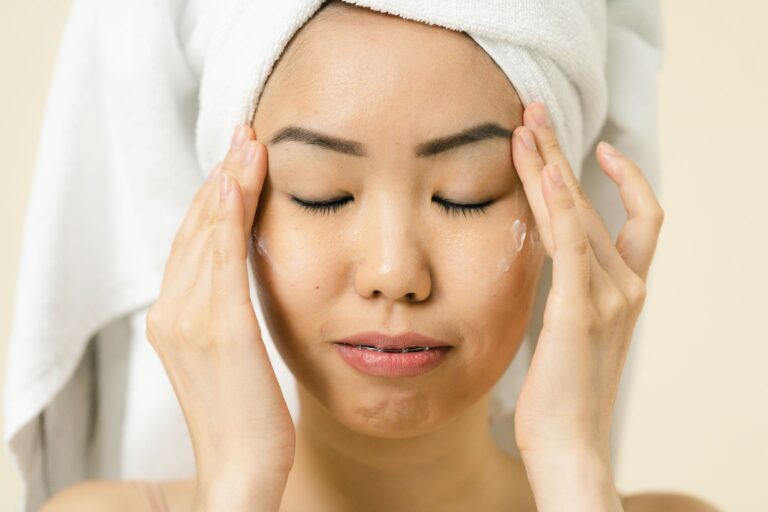
Over the following weeks, I incorporated the oil into my evening routine. I applied two to three drops to my cleansed skin, gently massaging it in with my fingertips. Observing my skin’s response became both a practice of patience and mindfulness. Each evening, the act of applying rosehip oil became a ritual that I began to look forward to.
Benefits and Observations
As I continued my routine, I noticed several benefits manifesting on my skin. The first was a subtle improvement in moisture levels. Rosehip oil’s emollient properties helped to lock in hydration, a particularly welcomed trait during the drier months. This is largely attributed to its linoleic acid content, which plays a role in skin barrier function.
Another observation was the oil’s potential for brightening my complexion. With regular use, I felt that my skin appeared more luminous, perhaps due to the vitamin C content. It is worth noting, however, that while some studies suggest that vitamin C can enhance skin tone, the concentration in rosehip oil is much lower than that found in many commercial serums. Thus, any perceived brightening effect should be approached with tempered expectations.
Limitations of Rosehip Oil
Despite these positive outcomes, I must emphasize that rosehip oil is not a cure-all. While it can be beneficial for many, it may not suit everyone. Individuals with oily or acne-prone skin might find it too heavy, leading to breakouts. I encountered this challenge when I decided to experiment with more frequent applications. After a few days of applying it twice daily, I noticed some congestion appearing. This was a signal for me to dial back to just once in the evening.
Moreover, the oil is not without its potential risks. Due to its retinoid content, it is advisable to avoid using it in tandem with other potent actives, such as retinol or certain acids, as this could lead to irritation or sensitivity. I learned this lesson first-hand during one of my testing phases when I paired it with a glycolic acid toner, resulting in some temporary redness on my skin.
Incorporating Rosehip Oil into a Gentle Routine
To properly incorporate rosehip oil into your skincare regimen, consider the following tips:
- Start Slowly: Begin with a patch test and then move to a single application in the evening. Observe how your skin reacts over a week before increasing frequency.
- Layer Wisely: Use rosehip oil as the final step in your routine, allowing it to seal in moisture. You might choose to apply a hydrating serum beforehand, but be cautious with layering too many potent actives.
- Store Properly: Ensure your rosehip oil is stored in a cool, dark place to prevent oxidation, which can degrade its quality.
Real-Life Applications
Beyond its use on my face, I also began to explore rosehip oil’s versatility throughout my body. I mixed a few drops into my body lotion for extra hydration, particularly during the colder months when my skin tends to become dry. This added touch seemed to enhance the texture of my skin, turning an ordinary routine into a more nourishing experience.
One particularly enlightening experiment arose from my kitchen. I had recently made a hearty soup infused with spices and vegetables, and as I savored each bite, I began to ponder the intricate relationship between what I put in my body and what I apply externally. This prompted me to research the benefits of certain foods like avocados (Persea americana), which are also rich in fatty acids and antioxidants.
Final Thoughts
After several months of testing rosehip oil, I have grown fond of its nurturing qualities. While it may not be the answer for all skin concerns, it has indeed found a place in my gentle routine. Rosehip oil serves as a reminder of the importance of patience and observation in the skincare journey. Each drop carries with it a history steeped in botanical wisdom, and through careful exploration, I have learned both the potential and limitations of this humble oil. For those interested in natural beauty, rosehip oil is certainly worth a thoughtful consideration, one drop at a time.