This article may contain affiliate links. If you buy through them, Naturally Beautiful Days may earn a small commission at no extra cost to you. Learn more.
Jojoba oil, derived from the seeds of the Simmondsia chinensis plant, has gained recognition for its emollient properties in skincare and haircare. Its chemical structure closely resembles that of sebum, the natural oil produced by human skin, which raises interesting possibilities for scalp health. In this article, I will share insights from my own experience with jojoba oil, its botanical profile, and how it might serve as a beneficial ally for scalp care.
The Unique Composition of Jojoba Oil
Jojoba oil is a liquid wax ester rather than a true oil, which makes it distinct among common plant oils. Its primary components include long-chain fatty acids and fatty alcohols, making it remarkably stable and resistant to oxidation. The oil contains an impressive range of vitamins and antioxidants, particularly vitamin E, which may support skin health by providing protection against oxidative stress.
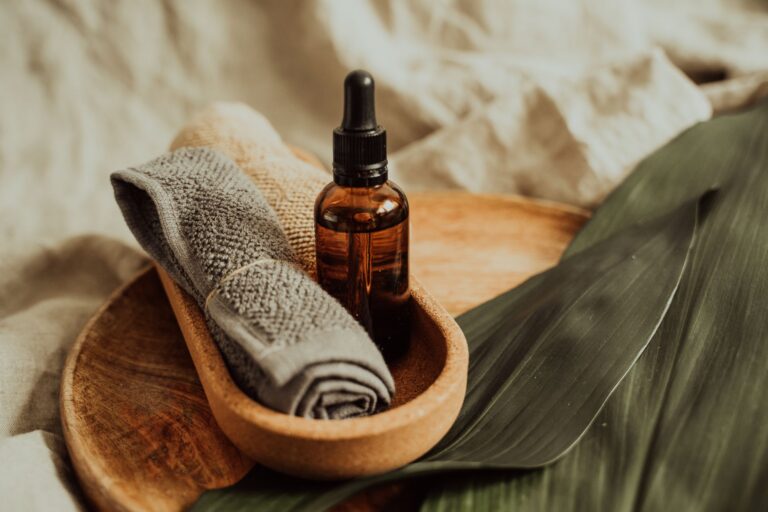
When I first began experimenting with jojoba oil, I was drawn to its versatility. I kept a small bottle of it on my kitchen shelf, often reaching for it to hydrate my skin after washing dishes or as a light moisturizer for my face. However, it was during a particularly dry winter that I decided to test it specifically on my scalp. I hoped to address some mild flakiness I experienced due to the dry indoor air.
Jojoba Oil and Scalp Health
One of the most immediate benefits I noticed with jojoba oil was its ability to provide moisture without leaving a heavy residue. Unlike heavier oils, such as coconut oil (Cocos nucifera), which can weigh down fine hair, jojoba oil absorbs easily. This is particularly important for maintaining a healthy scalp environment, which can prevent dandruff and dryness.
Research suggests that jojoba oil may have anti-inflammatory properties, which could be beneficial for those experiencing scalp issues such as irritation or inflammation. Its mild composition allows for gentle application, making it suitable for a variety of hair types. Despite its benefits, it is essential to remember that jojoba oil is not a cure-all. For individuals with serious scalp conditions like psoriasis or seborrheic dermatitis, consulting a healthcare professional is necessary.
How to Use Jojoba Oil for Your Scalp
In my practice, I find that the method of application is key to maximizing the benefits of jojoba oil. Here are a few approaches I have tried:
- Pre-shampoo Treatment: I apply a few drops of jojoba oil directly to my scalp, massaging it in with my fingertips. I let it sit for about 30 minutes before washing my hair. This treatment helps in loosening any buildup and provides a nourishing base.
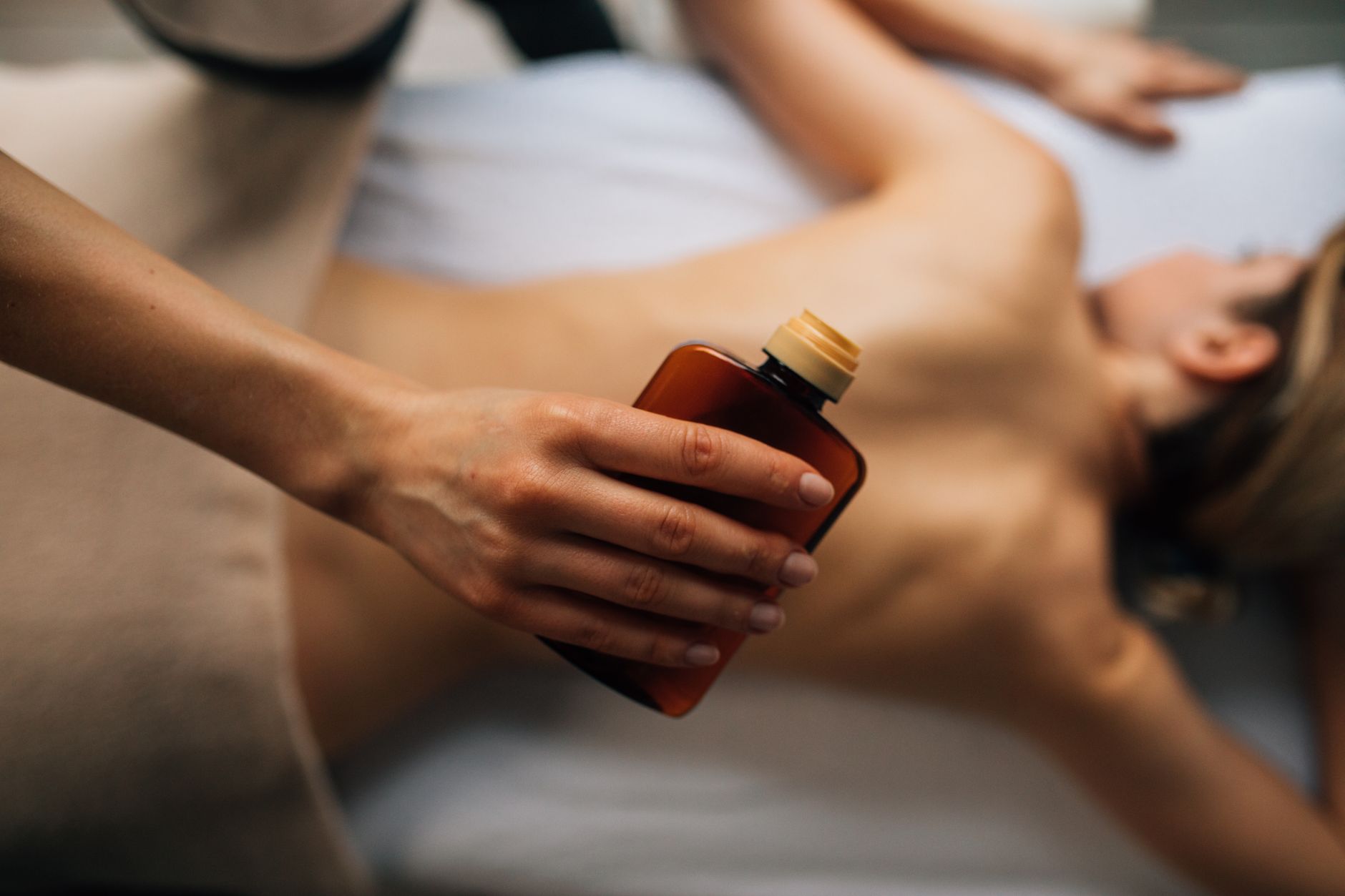
- Scalp Massage: Incorporating jojoba oil into my scalp massage routine has been a delightful experience. I take about a teaspoon of oil and gently work it into my scalp, enjoying the calming effect it has on both my hair and mind.
- Mixing with Other Oils: I have also combined jojoba oil with other plant oils, such as sweet almond oil (Prunus amygdalus dulcis), to create a richer blend. This has allowed me to enjoy the benefits of multiple oils while maintaining a lightweight feel.
The Effects of Jojoba Oil on Hair
As I continued my experimentation, I noticed that my hair felt softer and more manageable. The lightweight nature of jojoba oil allows it to coat the hair shaft without making it greasy, which is a common concern when using heavier oils. This property makes it an excellent choice for those with fine or straight hair.
Moreover, jojoba oil’s nourishing components contribute to the overall health of the hair. Its occlusive properties help retain moisture, which can reduce breakage and split ends over time. However, while jojoba oil can help to manage frizz, it does not provide the same level of hydration as products containing humectants like glycerin. This is an important distinction to keep in mind, particularly for those with curly or textured hair.
Testing and Observations
After several weeks of incorporating jojoba oil into my scalp care routine, I observed notable improvements. My scalp felt less itchy, and the flakiness diminished significantly. While the change was not radical, it was enough to encourage my continued use of the oil. It became a staple in my haircare regimen, complementing my regular shampooing and conditioning routine.
I also took to jotting down observations in my notebook, documenting how the jojoba oil interacted with various hair products. For instance, I noted that my usual styling products worked more effectively when used in conjunction with jojoba oil, likely due to the smoothing effect it provided.
Precautions and Considerations
Despite its benefits, it is crucial to approach jojoba oil with mindfulness. While it is generally well-tolerated, some individuals may experience sensitivity or allergic reactions. I recommend conducting a patch test before widespread use, particularly if you have sensitive skin or a history of allergies. Simply apply a small amount of oil to a discreet area of your skin and observe for any adverse reactions over 24 hours.
Additionally, while jojoba oil can be beneficial in promoting scalp health, it should not replace established treatments for serious conditions. As always, consulting with a healthcare professional is the best course of action if any underlying issues are suspected.
Conclusion
Jojoba oil serves as a gentle and nourishing option for those seeking to improve their scalp health. Its unique composition and pleasant texture make it suitable for a range of hair types, while its moisturizing effects may alleviate issues like dryness and irritation. My own experiences with jojoba oil have been positive, affirming its place on my kitchen shelf and in my haircare routine.
Incorporating jojoba oil into your regimen may require some experimentation to find the best application method and frequency. However, with patience and observation, it can become a valuable addition to your approach to scalp care. Ultimately, mindful use of natural ingredients can contribute to a healthier scalp and, by extension, healthier hair.