This article may contain affiliate links. If you buy through them, Naturally Beautiful Days may earn a small commission at no extra cost to you. Learn more.
The delicate beauty of rose petals (Rosa damascena) has captivated humanity for centuries, not only for their fragrance but also for their soothing properties. A rose petal infusion, whether used as a facial mist or an additive in a bath, can bring a sense of calm and hydration to the skin. In this article, I will guide you through the process of creating your own infusion, sharing my personal experiences and observations along the way.
Understanding Rose Petals
Rose petals contain various compounds that may contribute to skin health, including flavonoids, tannins, and essential oils. Their potential for soothing and hydrating the skin is supported by traditional uses and some modern studies, though it is important to be aware that their effects can be mild and vary from person to person. For example, while rose oil has garnered attention for its anti-inflammatory properties, the concentration of active compounds in a simple infusion is much lower.
Having grown a few varieties of roses in my garden, I have developed a particular fondness for the pastel pink blooms of ‘Heritage.’ Their scent is subtle yet enchanting, and I find them perfect for infusion. In this process, I rely on freshly harvested petals, preferably organic, to ensure that no sprays or chemicals linger on the surface.
Preparing Your Rose Petal Infusion
Ingredients and Materials
To create a rose petal infusion, you will need the following:
- Fresh rose petals (approximately 1 cup, loosely packed)
- Distilled water (2 cups)
- A clean glass jar with a lid
- A small saucepan
- A fine mesh strainer or cheesecloth
Step-by-Step Instructions
1. Start by gathering your rose petals. I find that the best time to harvest them is in the early morning after the dew has dried. This helps in capturing their fragrance and potency.
2. Rinse the petals gently under cool water to remove any dust or small insects. Be careful not to bruise them, as you want to preserve their integrity.
3. In a small saucepan, combine the rinsed petals and distilled water. Over low heat, bring the mixture to a gentle simmer. Avoid boiling, as high temperatures can damage the delicate compounds in the petals.
4. Once the mixture reaches a simmer, cover the saucepan and let it steep for about 20 minutes. During this time, I often enjoy the aroma wafting through my kitchen, which can be quite calming in itself.
5. After steeping, remove the saucepan from heat and allow the infusion to cool. Once cooled, strain the liquid using a fine mesh strainer or cheesecloth to separate the petals from the infusion.
6. Transfer the strained infusion into a clean glass jar. This can be stored in the refrigerator for up to one week, though I recommend using it sooner for optimal freshness.
Using Your Rose Petal Infusion
The versatility of rose petal infusion allows for various applications in your skincare routine. Here are a few suggestions based on my experiences:
Facial Mist
One of my favorite uses for the rose petal infusion is as a facial mist. During the warm summer months, I keep a small spray bottle filled with the infusion in the refrigerator. A few spritzes throughout the day offer a refreshing and hydrating boost, particularly after spending time outdoors.
To use it as a facial mist, simply hold the bottle about six inches from your face and spray lightly, avoiding the eyes. The cool sensation and natural scent are quite uplifting, and I have found it helps to soothe my skin after sun exposure.
Bath Additive
Another wonderful way to enjoy the calming properties of rose petals is by adding the infusion to your bath. I like to mix half a cup of the infusion into my bathwater, allowing the soothing aroma to envelop me while I soak. The infusion not only provides hydration to the skin but also creates a soothing atmosphere that can help ease tension after a long day.
On Your Skin
For those with sensitive or dry skin, consider using the rose petal infusion as a gentle toner. After cleansing your face, apply the infusion using a cotton pad, avoiding the eye area. I have found that this step helps to balance my skin’s moisture levels without the harshness that some commercial toners can impart.
Personal Reflections on Rose Petals
While I appreciate the soothing qualities of rose petal infusion, I am also mindful of its limitations. In my experience, rose petals can bring calmness and hydration, but they do not replace other fundamental skincare practices. It is essential to maintain a consistent routine that includes cleansing, moisturizing, and sun protection.
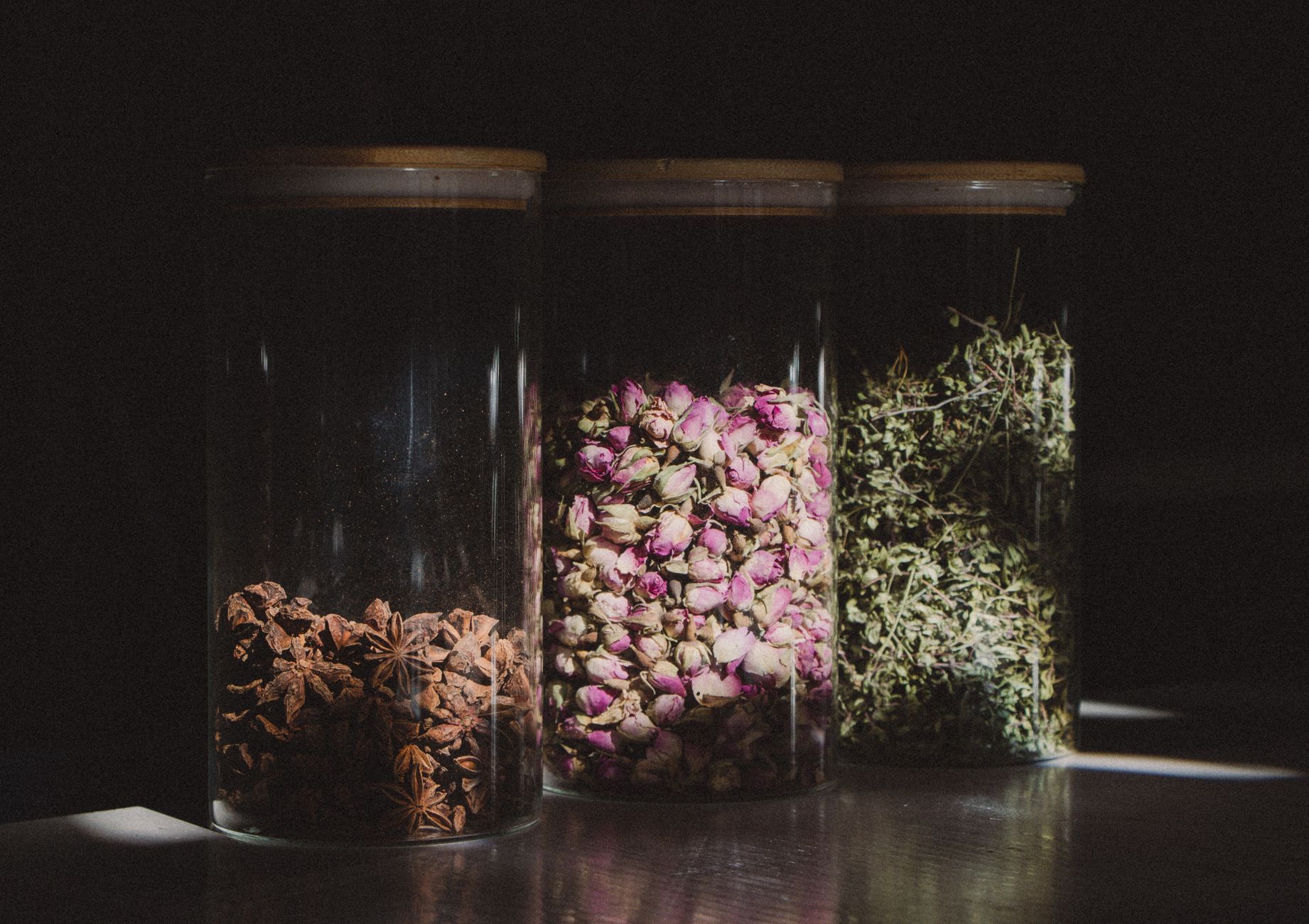
As I continue to experiment with different infusions, I have observed that the fresh petals yield a more fragrant and vibrant infusion compared to dried varieties. If you choose to work with dried petals, be aware that they may lack some of the potency found in fresh ones. Additionally, if your skin tends to react to flowers, always conduct a patch test before fully integrating any new product into your routine.
Conclusion
Creating a rose petal infusion is a simple yet rewarding process that connects the beauty of nature with self-care. By incorporating this infusion into your daily rituals, you may find a sense of calmness and hydration that enhances your overall well-being. Whether used as a facial mist, bath additive, or gentle toner, the soothing properties of rose petals can be a lovely addition to your skincare toolkit. Always remember that while natural ingredients offer wonderful benefits, they do not replace the need for a balanced skincare routine.